Balancing school, work, and life as an international student can feel like spinning plates while walking a tightrope. In this podcast episode, we hit the streets of Canada to hear directly from students who are living that life every single day. From night shifts to taking mental health days and staying in touch with family, each person’s story paints a picture. This is what it means to chase your dreams in a new country after the rose coloured glasses fall off.The answers we got are raw, funny, and full of honesty. You’ll hear how some students learned to prioritize rest without feeling guilty about it, how others find community in unexpected places, and how they all handle the pressure to “succeed” abroad. Whether you’re a student yourself, someone who’s been there, or just curious about what life looks like behind the fun reels and Pinterest photos, this episode offers both perspective and empathy.Tune in to listen, reflect, and maybe even rethink what a work-life balance really means. A lot of the time, it’s not about having it all together. Most of us are just finding a rhythm that works.Listen to the full episode wherever you get your podcasts.
References:Upbeat Funky music background for video ||Royalty free funk music for commercial use.
Highschool Hallway Ambience #2 (Background sound effect) https://youtu.be/OMaHyZmbqdc?si=32ipuWQVh4d5TwQv
A lot of students travel abroad in hopes that they can get access to good education some of their countries can not offer without the knowledge of how difficult it can be. The reality soon sets in that they not only have to search for proper housing and employment, but they have to juggle that while managing school activities. One of the major problems I’ll be focusing on is the issue of balancing life as a student and as an employee. Balancing the two is one of the hardest challenges we face, especially as international students. It feels achievable at first, so you set unrealistic goals for yourself by taking on more shifts in addition to your many class work and projects. But then assignments begin to pile up, your shifts get more tiring and demanding and suddenly you have no time to take a breath. It starts to feel like school is the least of your worries while trying to earn money to stay in said school. Finding that balance takes time.From what I have learned from people around me who share the same burden, prioritizing and good time management helps reduce risks like this. At the beginning of the semester, plan your time according to all your course outlines and limit your work hours. Keep one day to yourself where you’re not working, so you can reset and even catch up on assignments. Tell yourself that for the next three to four months it won’t be easy, but you will move forward and relax after the semester ends.
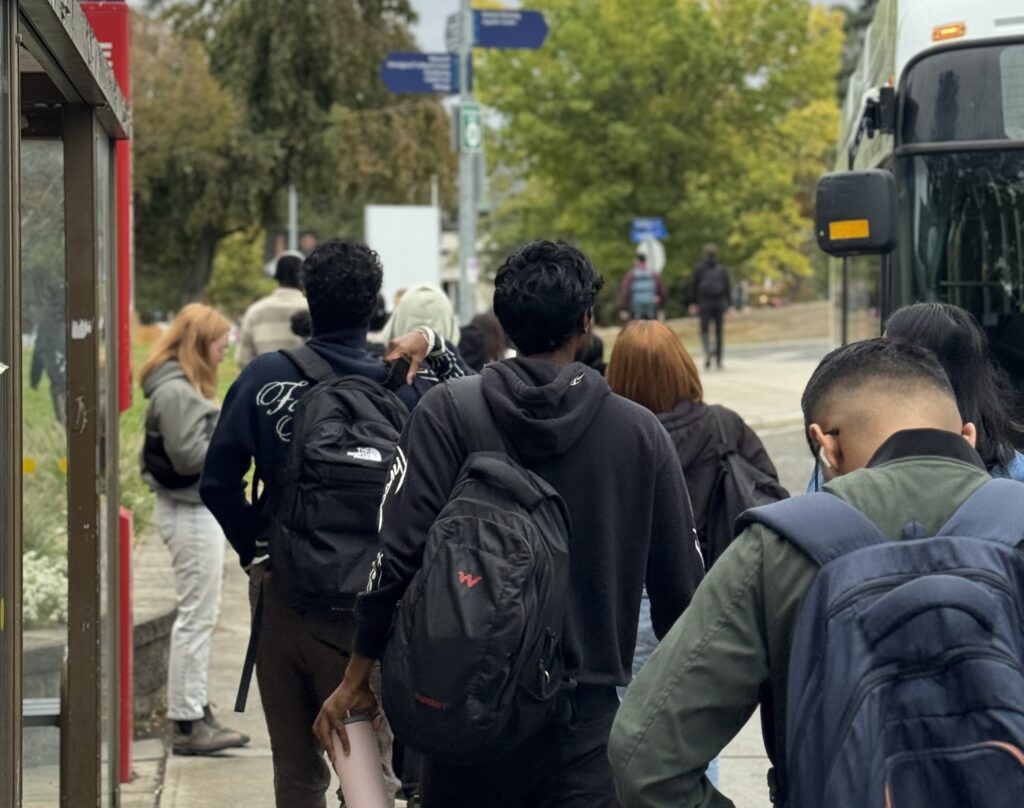
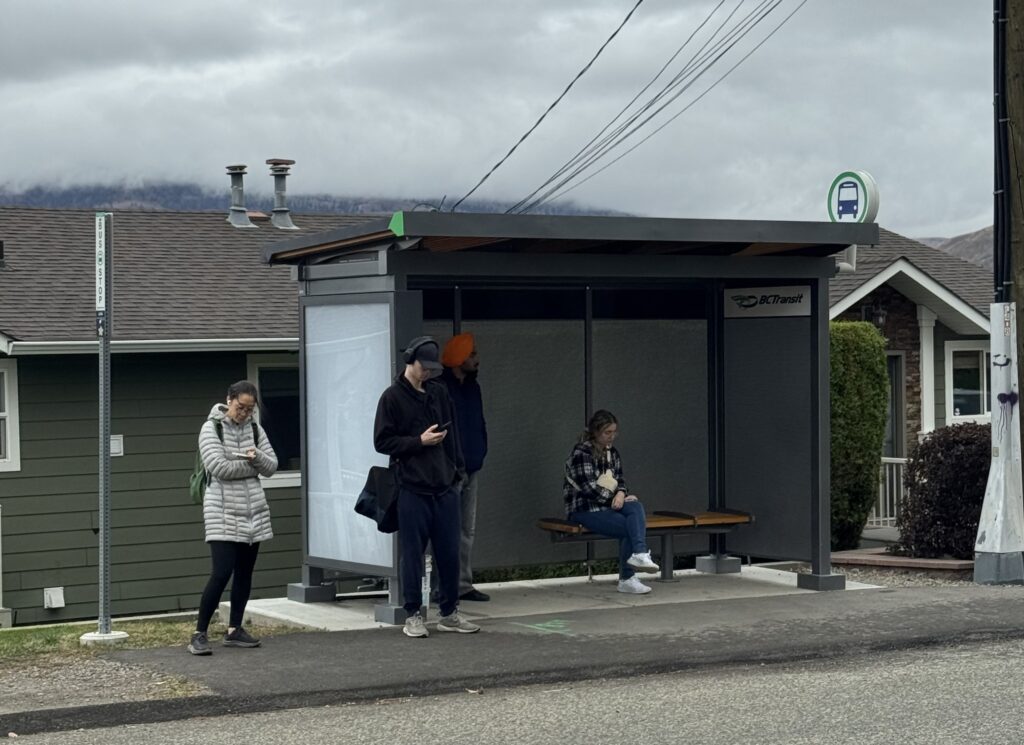
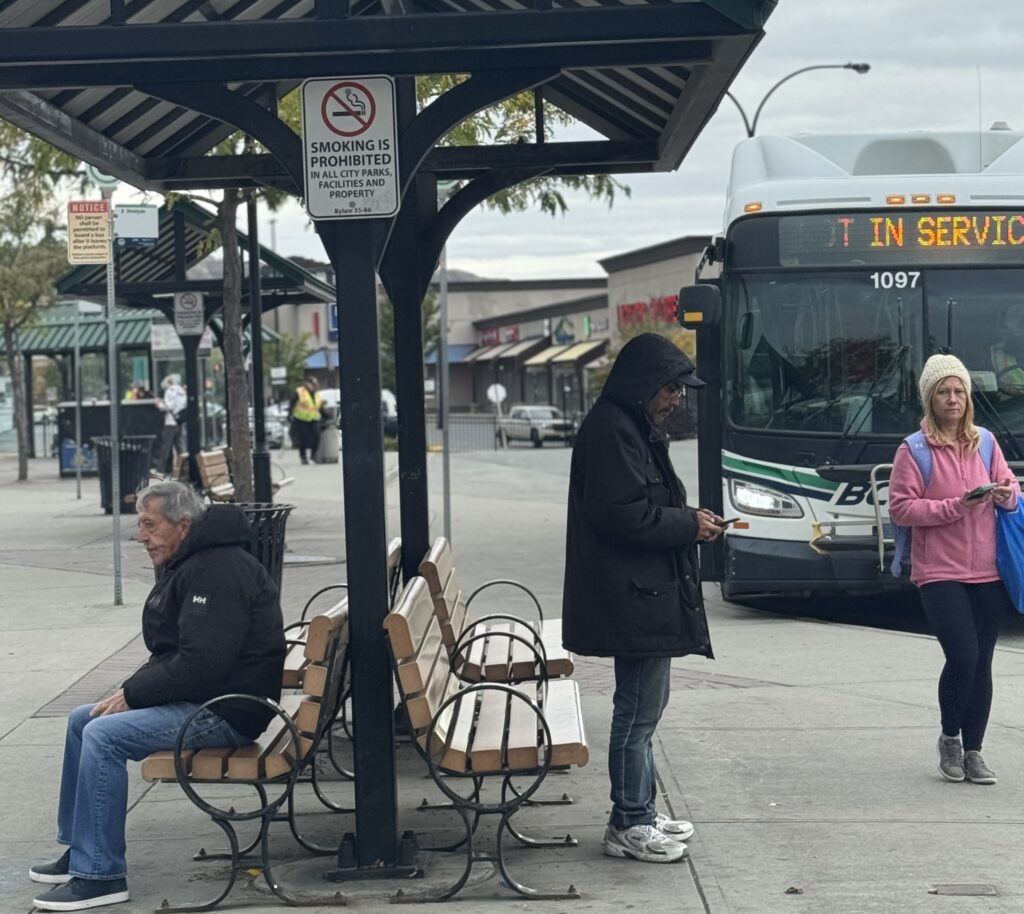
Moving to a new country comes with many surprises, but for many international students in Kamloops, one challenge stands out right away which is the transport system.
When I first arrived, I was completely lost. Back home, buses didn’t have fixed times. You could just step out and catch one. But here, the buses follow strict schedules, and if you miss one, you might be waiting for the next thirty minutes. It took me a while to learn how to use Google Maps and plan ahead.
To understand how others feel about it, I spoke with two fellow international students -Kelvin from Nigeria and Romiel from Jamaica – who shared their honest experiences.
“The first few weeks were really confusing,” said Kelvin, who has lived in Kamloops for two years. “In Nigeria, most public transport is owned by individuals, but here, it’s all government-run. It took me a couple of weeks to figure it out.”
He explained that the system is always changing, with new routes and construction. “I once had to walk from Valleyview to Lansdowne Exchange , that’s almost an hour walk, because I missed the bus,” he added with a laugh. During winter, it gets even harder, and he sometimes relies on friends or calls BC Transit for help.
Romiel, who also came to Kamloops two years ago, had a slightly different experience.
“Honestly, I don’t think the bus system is that bad,” he said. “I use my E-bike most times, and I only take the bus when I really need to.”
Still, he admits it can be confusing knowing which bus stop to stand at, especially when two are across from each other. “There was a time I had to walk from TRU to Cascade Casino, that’s about thirty minutes, just because I missed the right stop,” he said.
He also noticed a cultural difference in how passengers pay: “In Jamaica, you pay the driver directly. But here, you need a preloaded card or daily pass. It took me months to get used to that.”
From hearing their stories and living through mine, one thing is clear, navigating Kamloops’ bus system can be tricky, especially for newcomers. But it’s not all bad; you just need patience and preparation.
Here are a few tips that have helped many of us:
Get familiar early. Spend your first two weeks exploring routes, using Google Maps, and testing BC Transit.
Leave early. Always give yourself extra time, buses can be delayed or come early.
Know your direction. Be sure which stop is for “going” and which is for “coming.” It’s easy to get confused when they’re close to each other.
Ask questions. Don’t be shy to ask locals or other students if you’re unsure.
For bus drivers: please wait until passengers sit before driving off, and try not to rush. Many students are still learning and deserve a little patience.
You can also call the BC Transit line (250-382-6161) each time you are lost or need to find your way around.
If you are a New Student in Kamloops, don’t be overwhelmed. You would get used to it with time and figure it out like a Pro. You are doing so well and I hoped some of these tips helped. The not-so-new people, I see you too. See you in our next story.