

It Gets Worse Before It Gets Better: Saaniya’s Journey as an International Student

Sanya takes a short pause in one of her favourite spots, the garden. A reminder that even on heavy days, there’s room for softness
A quiet moment with Sanya at the park during filming, one of the few times she let herself breathe and just enjoy the sunshine.

Being an international student comes with a quiet kind of strength, one you don’t fully understand until you’re living it. In our final project, we wanted to take that quiet strength and give it a face, a voice, and a story. That story is Saaniya Mehta.

Our video follows Saaniya through a single day, but it reveals so much more than a routine. It shows the unspoken weight many international students carry: the pressure to keep up with school, the need to work to survive, the unpredictability of daily life, and the loneliness that often hides behind a smile. It helps us see honest moments that so many of us recognize.

We watch her rush for the bus, get overwhelmed by another long day, push through classes, and finally take a breath in the one place she can unwind. We see her frustration, her resilience, and the little sparks of comfort she creates for herself. And when she finally returns home to her mother, a soft voice, a warm hug, you understand how important even one safe place can be.

The heart of the video rests on a simple but powerful truth Saaniya repeats:
“It gets worse before it gets better.”
It’s not just a line, it’s something she believes, something she has lived, and something she offers to every international student who may feel lost right now.

This isn’t just a video; it’s an invitation. A reminder that you’re not alone in the struggle. A peek into the life of someone who is still finding her place and still choosing hope every day.

Press play, and step into Saaniya’s world. You might just find a piece of your own story in hers.
Challenges that international students face in Canada

 Challenges that  international students face in Canada

Take a walk on the TRU campus and you will notice people from different backgrounds. Among them are international students who strive to live and study successfully in Kamloops every day. These students face a number of challenges including lack of familiar foodstuffs, poor public transportation, homesickness, limited accommodation options among others.It is important to improve the experiences of these international students and allow them opportunities to integrate well in the Kamloops community.

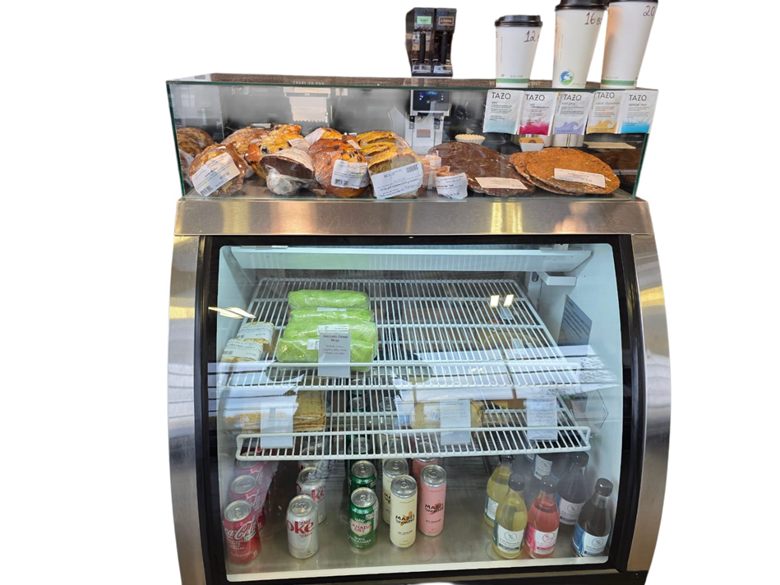
Moving to a new country is challenging enough, but imagine not having familiar foodstuffs. This can lead to being homesick, it can affect your mental health leading to other complications and more challenges.

These social issues affecting international students need to be addressed by the city of Kamloops in collaboration with TRU.  These improvements would not only be good for international students but they would also positively impact the lives and opportunities for the natives of Kamloops.

Transportation 

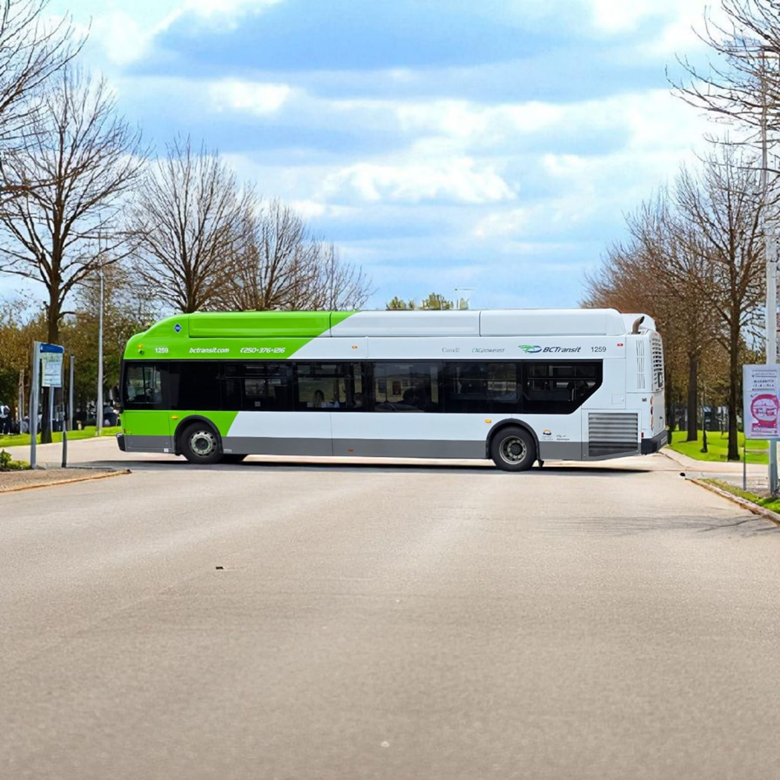
The City of Kamloops can improve the public transportation by including more routes and bus frequency on those routes throughout the week. With more bus routes and more buses, movement between different parts of the city will be more effective. As we know housing is another challenge, therefore more bus routes can allow students to live further away from the university thus allowing for more housing options.

On campus housing

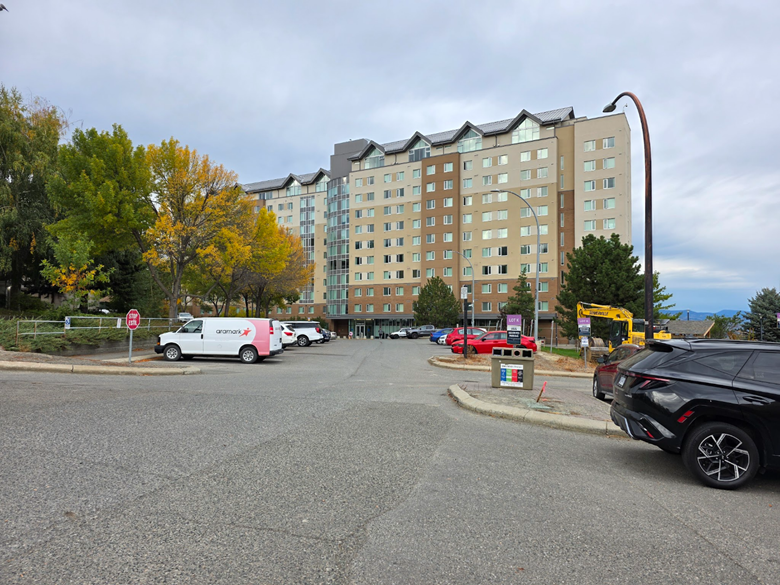
On campus housing is not enough, we need more housing options as the number of international students continues to increase in our city. North Tower is a great option for on-campus housing but to address the increase in the number of students at TRU we will need more than just one North Tower.

References 

Banit, O. L. G. A., Babushko, S. V. I. T. L. A. N. A., & Baranova, L. I. L. I. A. (2021). Academic, Social and Cultural Adaptation of International Students in Canada.

Bimpong, B. K. (2023). Challenges Facing African International Students at Research Universities in the United States. Journal of Education and Teaching Methods, 2(4), 1-16.